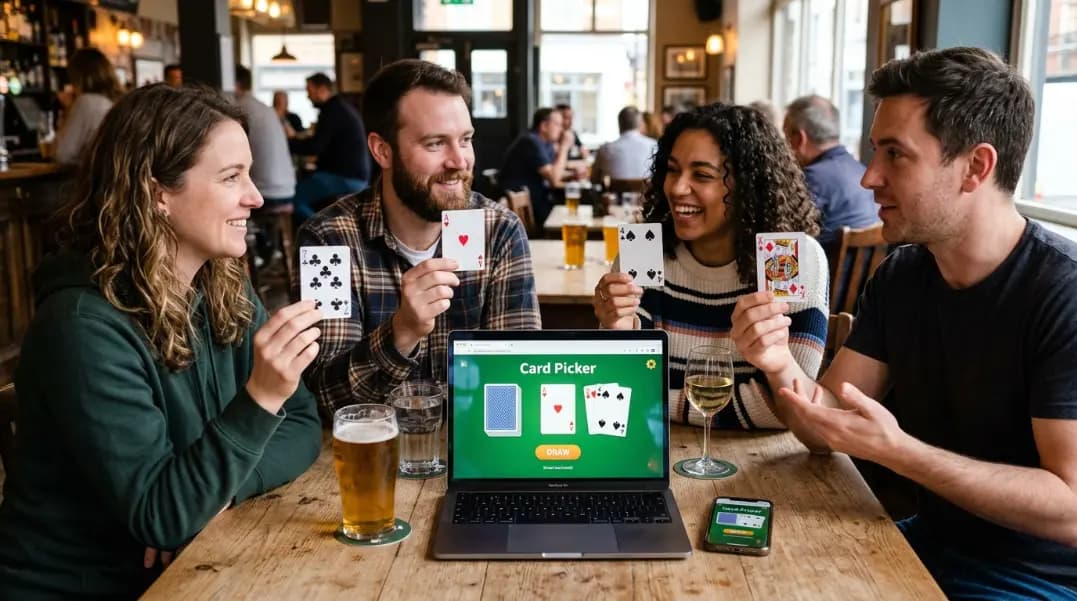
Six people. One task nobody wants. A coin flip only eliminates one person. Rock-paper-scissors takes three rounds, and someone always claims the final round was unfair. A single draw on the random card picker settles it in under ten seconds: lowest card does the job, no argument, no accusation.
Cards carry natural authority as a decision tool. The suit and rank structure creates immediate outcomes that feel different from a verbal "I pick you" because no person made the choice. A card draw is one of the oldest social arbitration methods. The digital version works the same way, with the added guarantee that the deck was fully shuffled before the first draw.
This guide covers nine specific situations where a random card picker resolves a group decision cleanly. None of these overlap with card game formats covered in the card games with a deck of cards guide. The situations here are practical decisions: who does a task, who speaks first, who picks the venue.
Why a Card Draw Works Better Than a Coin for Group Decisions
A coin flip handles binary decisions between two people. Once you have three or more people, or once you need a ranked outcome rather than a single winner, a coin stops working without additional rounds.
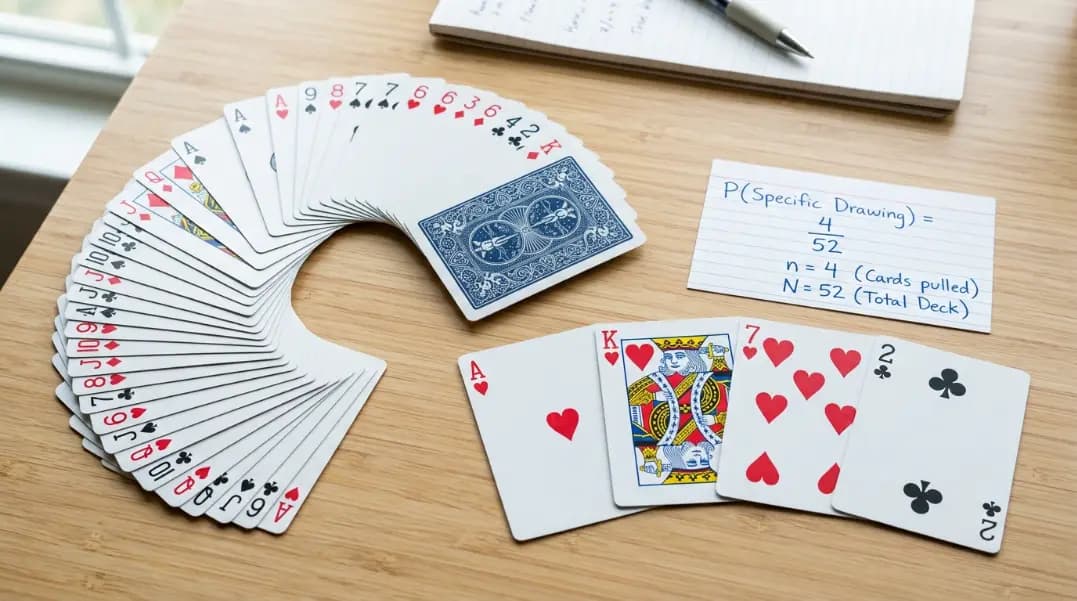
A standard 52-card deck provides:
- 13 possible ranks (2 through Ace) for ranking or priority decisions
- 4 suits for splitting a group into 4 equal assignments
- 2 colors (red and black) for binary splits within larger groups
- Natural ordering built in, with no need to assign values to each option in advance
The card picker also removes the most common objection to digital randomness. The deck is shuffled before any draw using a cryptographic entropy source, as detailed in the random card generator guide. Nobody controls the order. Nobody can anticipate the next card.
Use 1: Turn Order
The most common card-based decision is who goes first.
Setup: Everyone draws one card from a reset deck. Highest rank goes first. Decide before the first draw whether Ace counts as low (below 2) or high (above King).
Tie-breaker by suit: If two people draw the same rank, suit breaks the tie. The standard suit hierarchy from highest to lowest: spades, hearts, diamonds, clubs. This follows bridge conventions and resolves ties quickly without a full redraw.
Full group order: For games or activities that need a complete sequence rather than just a first player, rank each participant's drawn card from highest to lowest. This gives the full speaking or play order in one round of draws, with no elimination bracket needed.
This works for board game start-player selection, dinner table storytelling order, presentation sequence in a team meeting, or any situation where someone needs to go first and the choice would otherwise feel arbitrary.
Use 2: Task Assignment by Suit
For exactly four people or four groups, suit assignment distributes roles with zero discussion.
Setup: Each person draws one card. The suit of the card (not the rank) determines the assignment.
| Suit | Assignment |
|---|---|
| Spades | Task A |
| Hearts | Task B |
| Diamonds | Task C |
| Clubs | Task D |
Tie handling: If two people draw the same suit, set those cards aside and only the tied participants redraw from a reset deck. This keeps the result fair for anyone who already drew a unique suit in the first round.
The practical range is wide: four people sharing household chores, four team members taking on project roles, four volunteers staffed to different stations at an event. Agree on which suit maps to which task before the draw. The assignment order matters more than suit hierarchy.
Use 3: Who Picks Up the Check or Chooses the Venue
High card wins or low card loses: decide the rule before drawing.
High card chooses: The person with the highest draw picks the restaurant, movie, activity, or plan. This rewards the draw with decision authority.
Low card covers the undesirable option: The person with the lowest draw pays the bill or takes the task nobody wanted. This applies a negative outcome to the draw.
For groups larger than two, this works across any number of participants in one round. Each person draws one card. The highest or lowest card across all draws determines the outcome with no bracket or elimination sequence needed.
For a group of two: A single red-or-black draw works if you want a faster method than rank comparison. Red goes to one outcome, black to the other. This is functionally a coin flip using the card picker if it is already open.
Use 4: Standup and Meeting Rotation
Fixed presentation orders in meetings produce the same pattern every session. The first speaker sets the tone. The last speaker wraps up. People mentally prepare based on their queue position rather than the content they are about to share.
A card draw at the start of each meeting creates a fresh random order without requiring a planning tool or a facilitator to decide.
Weekly rotation method: On Monday, each team member draws one card. Rank determines speaker order for every standup that week. The same order runs through Friday. One draw per week, consistent rotation per day, different sequence every week.
Per-meeting rotation: Each person draws one card at the start of every meeting. Highest rank speaks first. This maximizes randomness but requires a draw before each session.
For a team of 5 to 8 people, both methods work without collision issues. The probability of two people drawing the same rank in a group of 8 is under 15 percent for the first pair, which the suit tie-breaker resolves without a full redraw.
Use 5: Sports and Field Assignment
When teams are already formed and you need to assign sides, jersey colors, or starting direction, a card draw is faster than a coin and handles more than two options cleanly.
Two-team color assignment: Red suits (hearts, diamonds) go to Team A. Black suits (spades, clubs) go to Team B. Each person draws one card to find their team. The suit gives an immediate visual result that everyone sees at the same moment.
Determining starting side or direction of play: One captain from each team draws a card. Higher rank picks the starting side or direction. This replaces the coin toss at kickoff or tip-off with a method that does not require anyone to have a coin.
Playoff bracket seeding: When bracket positions need to be assigned and teams are not ranked by record, each team draws a card. Card rank sets the bracket position, from highest at the top seed to lowest at the bottom. For a typical 8-team bracket, cards 2 through 9 give one rank per team with no overlaps if the deck is reset cleanly.
Use 6: Party Icebreaker by Card Identity
Icebreakers that rely on volunteers produce the same loud participants every time. A card draw forces everyone to engage based on what they drew, not how confident they feel.
Format: Each participant draws one card. The rank category determines the prompt tier.
- Face card (Jack, Queen, King): Answer a bolder question the host pre-selected before the event
- Number card (2 through 10): Share one fact, with the card number indicating how personal the topic gets (low numbers = easy, 8 through 10 = more revealing)
- Ace: Ask any single question to any one person in the room
Pre-set the prompt list for each tier before the draw so there is no pause while the host decides. This creates three distinct engagement levels without anyone knowing which tier they will land in.
Simpler version with no prep: Each person draws a card and speaks for exactly as many seconds as the face value of the card (2 = 2 seconds, King = 10 seconds, Ace = 11 seconds) on a topic the group chooses together. No prompt list needed. No decisions beyond the topic.
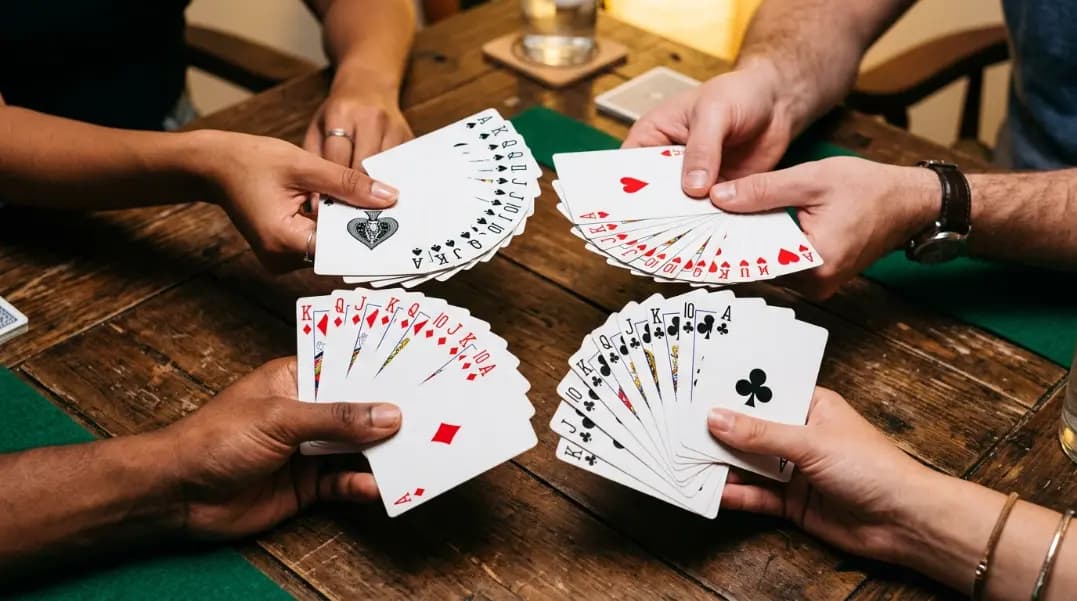
Use 7: Challenge Tier by Card Rank
Card rank creates a natural difficulty scale for physical challenges, trivia rounds, or dare games.
Tier mapping:
| Rank | Challenge Tier |
|---|---|
| 2, 3, 4, 5 | Easy |
| 6, 7, 8, 9 | Medium |
| 10, Jack, Queen | Hard |
| King | Very Hard |
| Ace | Wildcard (host assigns) |
Draw one card and complete the challenge at the matching tier. The Ace wildcard keeps the sequence unpredictable for participants who would otherwise anticipate the tier scale once they see their rank.
This format applies to fitness challenges (push-up counts per tier), trivia difficulty levels, or dare intensity in group games. The draw removes the participant's choice of difficulty, which matters when people consistently self-select into easy options when given the choice.
Use 8: Seating Assignment
Self-selected seating produces the same groups at every event. The same people sit together, the same people avoid each other, and the host never said anything about it.
Method: Assign each seat a card value before participants arrive. Write the card value on a place card or a sticky note at each position. Draw from a filtered deck containing only those values. Each participant draws one card and finds the seat marked with that value.
For a dinner of 8 people: assign cards 2 through 9 to eight seats. Draw only from those eight cards by removing the rest before starting. Everyone draws one card, finds their seat, and the decision is final with no renegotiation.
For events with up to 52 seats, the full deck covers all positions with no modification.
Use 9: Decision by Elimination
When a group cannot agree among several options and direct voting creates a deadlock, a card draw can eliminate options in rounds until one remains.
Setup:
- List all options on paper. The number of options should be at most the number of participants.
- Each person draws one card.
- The person with the lowest card removes one option from the list.
- Reset the deck, and all participants draw again.
- The new lowest card removes the next option.
- Continue until one option remains.
This method works when a group is stuck among several roughly equal choices. Each elimination is random and accepted because the person who eliminates is chosen by a draw, not by status or volume. Nobody picks who eliminates and nobody chooses what gets eliminated. The draw controls both.
How to Set Up Any Card Picker Decision
- Open the random card picker
- Agree on the rule before the first draw: what does each rank, suit, or color mean?
- Reset the deck to ensure a full fresh shuffle
- Each participant draws in sequence (or one person draws for the group)
- Announce results and apply the agreed outcome immediately
- If a tie redraw is needed, only the tied participants draw again from a reset deck
Agreeing on the rule before the draw is more important than which rule you choose. Post-draw rule changes make any card decision feel manipulated, even when the original draw was fair.
When to Use Other Random Tools Instead
The card picker handles ranked and suited decisions across groups. Other tools fit different decision shapes.
Use the coin flip for binary yes/no decisions between exactly two people where speed matters most. The coin flip is faster and universally understood for simple two-outcome situations.
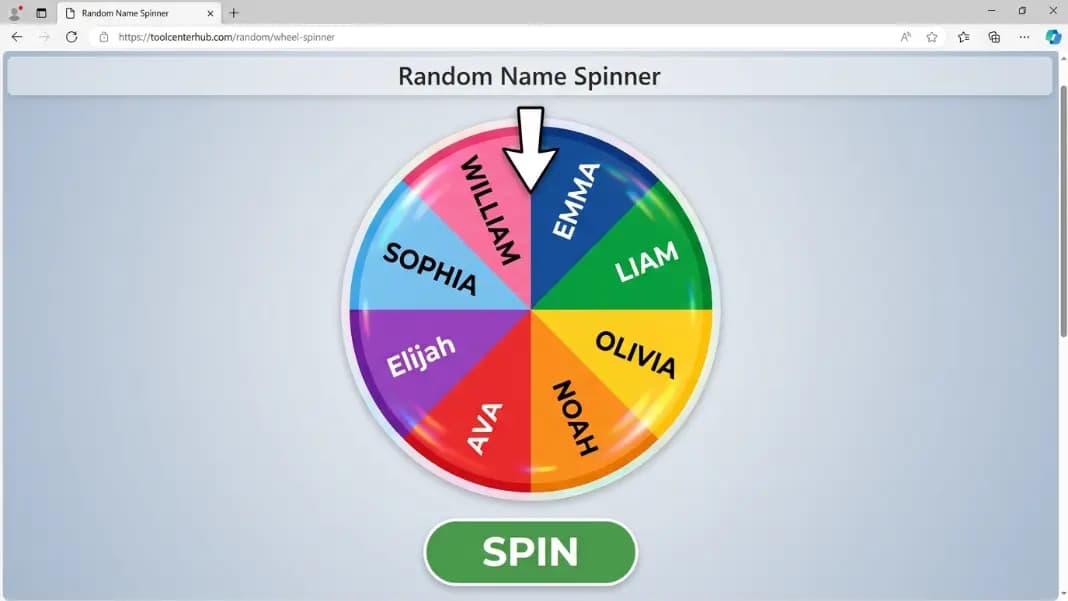
Use the wheel spinner when the decision options are named rather than ranked (team names, venues, activities) and you want each option to appear visibly before the result lands.
Use the dice roller when the decision maps to a specific die size: a D6 for six equal outcomes, a D20 for twenty, or dice combinations for tabletop game mechanics.
For most group decisions involving three or more people or three or more options, the card picker reaches a result everyone accepts in one round. The random tools section has all of these options alongside the card picker.