The watch party has stalled again. One person wants to start a new shonen series. Another wants something short because it is a weeknight. A third person refuses to commit to anything still airing because they hate waiting for weekly episodes. Everyone has a mild preference, nobody wants to pick something the group resents, and the conversation has been going longer than an actual episode would take.
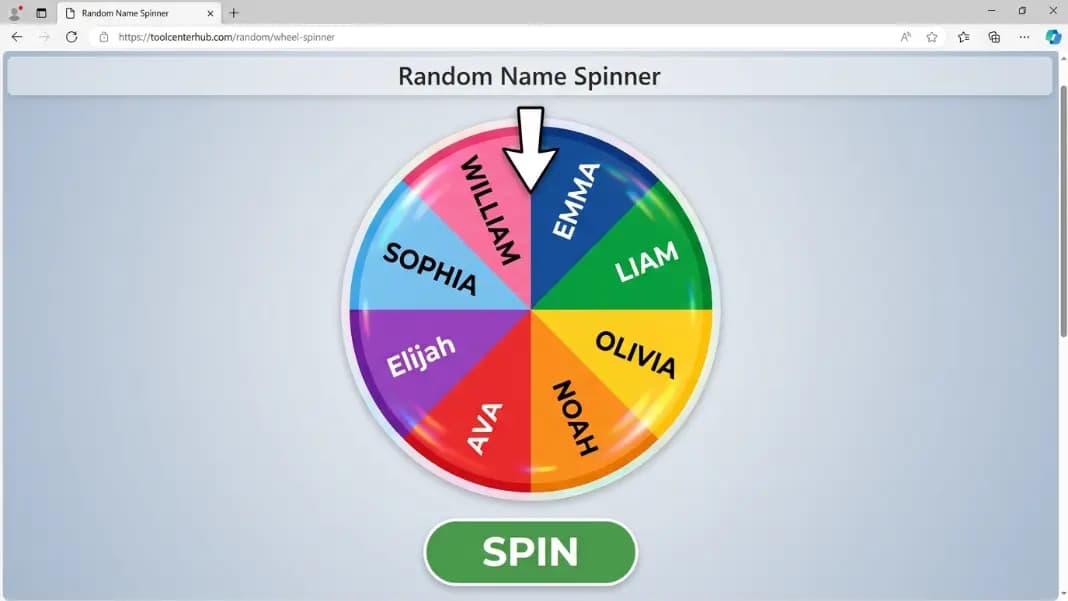
An anime wheel spinner ends this before it takes another twenty minutes. Load the wheel spinner with your options, agree the result is final before spinning, and spin once. Whatever it lands on is the show for the night.
This guide covers genre-based preset lists for six categories, why a genre wheel finds shows that streaming recommendations miss, how to run a watch party tournament bracket, and game formats that use the wheel during the viewing session rather than just before it.
Why a Genre Wheel Finds Shows the Algorithm Misses
Streaming algorithms optimize for one thing: keeping you watching. They surface shows similar to what you have already completed because they know you finished those. A show you completed with a high satisfaction signal generates a recommendation toward something adjacent. That is the entire mechanism.
The result is a filter bubble. If you have watched mostly shonen, the algorithm shows you more shonen. If you primarily watch slice-of-life, the algorithm surfaces slice-of-life titles from studios with similar production aesthetics. The algorithm cannot recommend a genre you have never engaged with, because there is no positive signal to amplify. It has decided, based on your data, that you are a shonen viewer or a slice-of-life viewer, and it optimizes around that label.
For watch parties, this compounds. When multiple people's accounts interact with the same platform, the algorithm tries to find an intersection of their watch histories. In practice, this means it defaults to the most mainstream option that fits everyone's past behavior. The intersection of three people with different tastes almost always points toward whatever is currently popular, which is usually something everyone has already seen or already has opinions about.
A genre wheel has no watch history. It gives equal probability to every genre you put on the wheel, including the ones nobody has clicked on in six months because the algorithm stopped surfacing them. Spinning for a genre forces the group to consider a category they would not have arrived at independently, and that is the entire value of random selection in this context.
Genre Preset Lists
The six categories below cover the majority of what is available on major platforms. Use these as starting points and narrow based on what titles the group actually knows and can access.
Shonen (action-driven, accessible for newcomers): Attack on Titan, Demon Slayer, My Hero Academia, Jujutsu Kaisen, Fullmetal Alchemist: Brotherhood, Hunter x Hunter, One Piece, Naruto Shippuden, Blue Lock, Haikyuu
Isekai (transported to another world): Re:Zero, Frieren: Beyond Journey's End, That Time I Got Reincarnated as a Slime, Konosuba, Overlord, No Game No Life, Mushoku Tensei, The Rising of the Shield Hero
Mecha (giant robots, political themes): Neon Genesis Evangelion, Code Geass, Gurren Lagann, 86: Eighty Six, Aldnoah Zero, Darling in the FranXX, Mobile Suit Gundam: The Witch from Mercury
Slice-of-life (low stakes, high character depth): Barakamon, Hyouka, A Silent Voice, Your Lie in April, My Teen Romantic Comedy SNAFU, Non Non Biyori, K-On, March Comes in Like a Lion
Sports anime: Haikyuu, Blue Lock, Kuroko's Basketball, Ping Pong the Animation, Run with the Wind, Diamond no Ace, Yuri on Ice, Slam Dunk
Psychological and thriller: Death Note, Steins;Gate, Psycho-Pass, Monster, Paranoia Agent, Terror in Resonance, Future Diary, Talentless Nana
Load a genre wheel with all six categories. Spin to land on a genre. Then have the group nominate one title from the landed-on genre and vote on it. Two levels of randomness: one for the genre, one filtered through group vote for the specific show. This approach is faster than debating all available titles from scratch and more structured than pure random title selection.
How to Build an Anime Watch Party Wheel
Open the wheel spinner, clear the default entries, and add your options one per segment. For a genre wheel, add the genre names. For a title wheel, add show names. Keep entries short enough to read on the segment: Re:Zero fits, That Time I Got Reincarnated as a Slime does not and should be shortened to Slime or Tensei Slime.
Set the rule before the first spin: the result is final. This matters more for anime watch parties than it sounds. After the wheel lands on a genre or title, someone in every group will say "I've already seen that" or "I'm not in the mood for that genre tonight." If that overrides the spin, the wheel is not making a decision. It is generating a suggestion that can be rejected, which puts the group back at square one with one extra step added.
If someone has a genuine hard constraint (they have never watched any mecha and do not want to start with Evangelion in a two-hour window), remove that option before spinning. The time to exclude options is before the spin, not after seeing the result.
For recurring watch groups who meet weekly, save the list somewhere outside the browser tab. The wheel does not store configurations between sessions by default, so a written list lets you reload the same setup without rebuilding from scratch each time.
Watch Party Game Formats
The wheel works as a game mechanic during viewing, not only for picking what to watch.
Episode roulette: For a series the group is rewatching, load the wheel with episode numbers and spin to pick which episode to revisit. This works particularly well for shows with standalone episodes or arc premieres worth re-examining.
Prediction wheel: Before each episode, spin to assign each person a prediction category. Options: who will fight this episode, what will be revealed, who survives, which character has the best moment. Each person makes their prediction based on their assigned category. Check at the end of the episode who was right.
Discussion prompt wheel: After an episode ends, spin to pick the first discussion topic. Options: best scene, worst character decision, most surprising moment, strongest animation, weakest plot point. The wheel decides what the group talks about first rather than leaving the post-episode silence to whoever speaks up fastest.
Trivia category wheel: Load with knowledge categories: opening themes, character birthdays, voice actors, production studios, episode titles, fight outcomes. Spin for a category and whoever answers correctly first scores a point. Best used for shows the group has already finished rather than mid-season watches where not everyone is at the same point.
Watch Party Tournament Bracket
A tournament bracket format uses the wheel to organize a multi-week watch commitment. Instead of picking one show and committing for an entire season, the bracket narrows a field of candidates down to one winner through head-to-head elimination rounds.
Load the wheel with eight or sixteen titles. Spin twice to generate the first matchup. The group watches a sample episode of each show in the pairing, then votes on which advances. Continue until one title wins the bracket.
The wheel generates the matchups, which prevents any one person from arranging easy wins for their preferred title. If you let one person build the bracket manually, they will consciously or unconsciously pair their favorite against weaker competition in early rounds. The wheel does not do this.
For a group with eight candidate shows and weekly sessions, a full bracket takes three weeks: quarterfinals, semifinal, final. At the end, the group has committed to one show through a fair structured process. The wheel handled the bracket generation. The group made the viewing and voting decisions.
Blind Watch Wheel
A blind watch wheel contains shows nobody in the group has seen. The rule is that whatever the wheel picks, the group commits to watching the first three episodes before deciding whether to continue.
The three-episode rule is what makes this format work. One episode is not enough to evaluate most anime: pilots often underperform the actual series, and some shows take longer to establish their tone. Three episodes give enough information to make a genuine decision about continuing, without committing to five hours of something that turns out to be a poor fit.
Load the wheel with shows that are critically regarded but that nobody has started. Avoid adding anything that someone in the group has already watched solo, since they will have a formed opinion that influences the group vote in either direction.
For finding candidates for a blind watch wheel, use genre community recommendation lists rather than streaming platform suggestions. The algorithm will show you what it thinks you already like. Community lists from people invested in a specific genre show you what is actually worth watching within it.
Managing a Multi-Week Watch Group
For watch groups that meet regularly, the wheel works best as a planning tool at the start of each season rather than an in-the-moment decision maker for each session.
At the start of each anime season, each person nominates two or three titles from the new season that they would genuinely watch. Load the wheel with the combined nomination list and spin to pick the first series for the group. Spin again to pick a backup in case the first one gets dropped after a few episodes.
Remove completed or dropped series from the wheel as they resolve. Add replacements from the current season's nomination list when the wheel runs low. This keeps the wheel populated with options everyone is still interested in rather than titles from two seasons ago that the group has already formed strong opinions on.
The wheel spinner online guide covers how to share wheel configurations, which is useful for watch groups where the person setting up the wheel is not always the same person hosting each session.
For watch parties that also involve party-style games, the never have I ever wheel spinner guide covers a format that runs alongside any watch party game structure using the same tool.
Character and Fan Activity Wheels
Beyond what to watch, a wheel handles the fan activities that happen in anime communities: drawing challenges, character assignments, tier list debates, and versus matchups.
For drawing challenges, load the wheel with character names from the series the group is currently watching. Spin to assign each person a character to draw before the next session. The random assignment pushes artists toward characters they would not voluntarily pick, which generates more diverse content than open-choice challenges where the same three popular characters dominate every submission round.
For tier list sessions, spin for characters one at a time and debate placement before moving to the next. This forces genuine engagement with the full roster rather than spending the entire session on the five characters everyone already has strong existing opinions about.
For versus debates, load two wheels: one with characters from one series, one with characters from another. Spin each wheel once to generate a cross-series matchup and debate the result. The wheel produces pairings nobody would have set up deliberately, which generates arguments the community has not already settled a hundred times.
For any fandom activity that needs a random result, the random tools section has the full set: the number generator handles numbered draws, the coin flip handles binary choices, and the wheel spinner handles any list-based decision with three or more options.